Key Takeaways:
When it comes to curly hair, the numbers matter. Identifying your hair type and curl pattern is the key to unlocking juicy, sumptuous strands that look naturally gorgeous any day of the week. Type 2 hair is categorised as wavy, and divided into 3 sub-types. If you’ve got wavy hair that has an S-shaped bend, but they’re not quite going into a curl or spiral, you’re probably a type 2B hair. You sit in the middle of the wavy hair scale - 2A, 2B and 2C - each requiring different products and styling techniques to enhance those natural waves.
What Is 2B Hair?
What’s in a number? 2B hair is usually made up of full, loose waves starting from mid-length, and looking flatter at the roots. It’s different from type 2A hair which forms S-shaped waves towards the end of the hair shaft, usually known as ‘beachy waves’, typically a more loose, curl pattern. At the other end of the scale is type 2C hair - a tighter wave pattern. It still has the S-shape bends, but they start further up the hair towards the roots, and tend to look more defined, with a smaller wave pattern, possibly even ringlets when wet.
As you stare into the mirror pondering your numbers, it’s worth remembering that your hair has not read the handbook on hair types, and it’s very common to have multiple wavy patterns. The top of your hair might be an obvious 2B hair type laying flat at the roots with S-shaped curves further down, while underneath could hide some cheeky 2C ringlets, and around your face some 2A beach waves. Every head of hair is unique, that’s the beauty of it!
How to Tell if You Have 2B Hair
Ok, let’s take a closer look at your wonderful waves. The best way to identify your hair type is by looking at how it dries naturally. Wash your hair as normal, but skip the styling products and the hair dryer or heat styling. Let it air-dry and keep a close eye on the shape your strands form as they gradually dry. Is it staying flatter at the roots? Is it forming an S-shaped bend or wave further down the strand? Is it slightly frizzy? Yes, the dreaded F-word! It’s a common challenge for 2B hair types, and less so for 2A or 2C. You may recognise some of the other hair hang-ups below, but once you know what you’re dealing with, you can arm yourself with the right products and techniques for more best hair days.
Common 2B Hair Challenges
2B hair type has ‘superpowers’ other types don’t possess. One day you can wear it almost straight, and another day you can decide to be extra curly. The trade-off for these different personas though, is that 2B hair comes with a few common challenges:
- Prone to frizz, especially in humidity. (big holiday-hair anyone?)
- Usually high porosity – absorbs liquid easily, but struggles to retain the moisture.
- Often greasy at the roots - your hair is straighter here, so your natural scalp oil travels down the hair shaft easily between washes.
- Drier at the ends – all wavy or curly hair struggles to maintain hydration as your natural scalp oil can’t follow the twists and turns of the hair shaft.
- Waves can be easily weighed down with too much product or quickly lose definition.
It’s not the most fun list, but with a little know-how and the right products, you can get those bouncy, shiny waves every day of the week.

Does 2B Hair Get Frizzy? How to Reduce It
“Help! My 2B hair is always frizzy” Sound familiar? Forums, videos, social media, and seemingly the entire internet, is awash with cries for help to fix the frizz. Once you understand what causes it, it’s much easier to tackle. Here’s the why, then keep reading for the how (to reduce frizz):
Humidity: the dryness of 2B hair causes it to act like a sponge, pulling moisture out of the air to compensate for a lack of hydration. Your strands then swell up and separate.
Over-handling: touching, scrunching, rough towel-drying and too much faffing, can cause your wave clumps to break up and disturb the pattern.
Dryness: mid-length and ends are prone to the most frizz because the twists and turns of your waves make it more difficult for your scalp’s natural oils to reach the ends of your hair.
Heavy products: thick styling creams can weigh your hair down, losing shape and definition without actually doing anything to calm frizz and flyaways.
Here are our top tips to reduce the faff of frizz:
Seal & protect: seal your cuticles to prevent moisture loss as well as moisture absorption in muggy environments. Apply leave-in conditioner to mid-lengths and ends only, and you can try a tiny amount of oil or gel on damp hair.
Reduce friction: hang up your traditional towel and swap it for a microfiber towel or just a t-shirt. Press and hold gently a couple of times towards your scalp. The golden rule for 2Bs - never rub your hair. It’s worth investing in a silk or satin pillowcase to reduce friction and tangling overnight.
Touch-free drying: the less scrunching or touching your hair the better, whether air-drying or diffusing. Once dry, avoid brushing your hair, even if you’re wearing your hair straight, as this causes instant fluff up. If you know, you know.
Light-weight moisture: avoid heavy oils, butters and creams, opting instead for nourishing lightweight products such as leave-in conditioners or lightweight serums and oils. Use a clarifying shampoo every 4-5 washes to cleanse your hair and scalp of any product build-up.
Skip the SLS: Sodium Lauryl Sulfate, a common shampoo ingredient, strips away your precious natural oils, leaving hair dry and prone to frizz. This is definitely ‘2-Be’ avoided. Choose a natural, plant-based shampoo that doesn’t upset the balance of your scalp health.
How Often Should You Wash 2B Hair?
If you have a head full of bouncy waves and curls, you’ll know they don’t like to be washed too often. Every 2-3 days should be enough to maintain the health of your scalp without stripping away those all-important natural scalp oils. Your shampooing technique for 2B hair is worth reassessing though, because wavy hair is prone to tangling towards the ends. And detangling is not only a chore, it can also lead to snapping and over-handling.
So take a mindful moment next time you shampoo your hair. Ensure you gently massage your scalp with the pads of your fingers, never your nails as this is too harsh. Be careful not to pile your hair on top of your head and start scrubbing at your strands. Instead, gently message your scalp, and then squeeze the suds through your mid-lengths and ends. This is all the technique required to step out of the shower with beautifully clean hair and scalp.
Caring for 2B Hair the Faith In Nature Way
There’s good reason that curly hair types are fans of a more natural hair care routine. Not only do plant-based shampoos and conditioners offer naturally-derived nourishing benefits, but they also don’t come with a whole list of harsh ingredients - like SLS or silicones - that could upset your waves, curls and even your scalp.
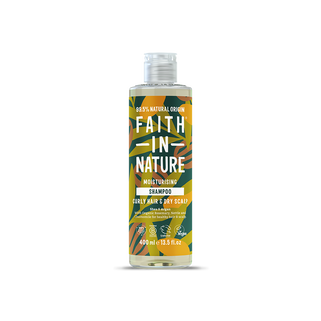
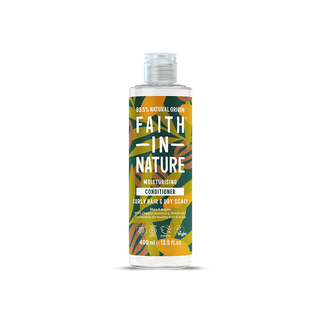
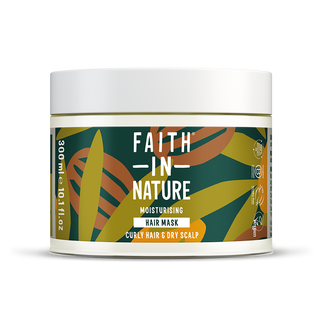
Specially formulated for curly hair, the ingredients in our Shea & Argan Shampoo and Shea & Argan Conditioner are 99.5% natural origin. Organic shea butter has a well-earned reputation as a moisture marvel, and organic argan oil can help with frizz control, add shine and support a healthy scalp. For a weekly or monthly (depending on your preference) deep treatment, try our Shea & Argan Nourishing Hair Mask. It’s packed with super-nourishing ingredients to pep-up locks in need of some TLC. Your future waves will thank you.

Styling Tips for Defined, Frizz-Free Waves
So, you’ve finally identified your hair type as 2B, you’ve discovered its likes and dislikes, now let’s take it to the next level with the right styling techniques. That said, ask any curly girl and you’ll know there’s a bit of trial and error involved till you find what works for your specific hair. Here are six popular techniques to get you started:
1. Moisture matters: as a general rule, applying styling products to soaking wet hair helps lock in moisture and form defined wave clumps.
2. Look for lightweight: To give your roots a little lift, try scrunching in a lightweight mousse, while trying not to disturb the rest of your hair.
3. Define your waves: rub a pea-sized amount of light or medium-hold curling gel between your palms. Using praying hands, gently smooth down the lengths of your hair without pulling at your wave pattern.
4. Remove excess water: try gently scrunching upwards with a microfiber towel or t-shirt, instead of a towel which can be rough and damage your strands. This will encourage your natural S-shape waves and bends to form.
5. Air-drying v diffusing: whichever you prefer, avoid touching your hair while it dries to prevent the dreaded frizz.
6. Refresh waves: 2B hair has a habit of going limp on day 2 or 3. Put the life back in your locks by misting your hair with water until it’s damp, applying a small amount of your favourite styling product – mousse, gel or curl cream – and scrunch those waves back in. Leave to dry naturally or diffuse.
Understanding your hair type is the key to unlocking luscious, shiny waves and more best hair days. Since curls got assigned numbers in the 90s, (thanks to Oprah Winfrey’s hairdresser) it’s easier to build a successful hair care routine around your type 2B hair. Admittedly there’s a bit of trial and error involved, but that’s half the fun.