Key Takeaways:
All our liquid shampoos, conditioners and hair masks contain organic nettle extract. Why put a plant best known for its sting in something you massage into your head? Nettles have been used in haircare remedies for centuries because they’re brimming with benefits to strands and scalp. This classic hair herb is known to help…
Soothe the Scalp
Ironically for a plant that can cause pain, nettle has a reputation as a skin soother. It contains a multitude of anti-inflammatory components, which may help calm stressed-out scalps. By the time nettle has been dried and made into an extract for cosmetics, its sting is long gone. Phew.
Balance the Scalp
Key compounds in nettle are known to help regulate the production of sebum, removing excess oil from the scalp without stripping it completely. The plant also possesses antifungal and antibacterial properties, which may help keep the delicate scalp microbiome in check. When your scalp is unbalanced, dandruff is more like to appear.
Promote Healthy Hair
Nettle is packed with antioxidants (including vitamins A, C and E) and minerals like magnesium, calcium, sulphur and iron – all of which may support hair follicle health and help strengthen strands. It contains silica, which supports the production of keratin and helps the hair shaft retain moisture. All these nutrients can help support healthy, glossy-looking locks.

Nettle for Hair Growth?
Sadly, no one can guarantee that any haircare ingredient will make hair grow. But like rosemary oil, nettle is one of those natural ingredients that’s rumoured to tackle hair loss. And just like rosemary oil, nettle extract is rich in vitamins, minerals and other nutrients that are known to help support scalp health and care for hair follicles. Your follicles are where strands start, and they’re constantly producing new hair cells – so it makes sense that looking after them paves the way for healthy hair.
The idea that nettle might help with hair loss is nothing new. In medieval Europe, people believed that nettles could stimulate hair growth. Herbalists at the time recommended dipping a comb in squeezed nettle juice and combing hair backwards.
A 2023 lab study on human skill cells found that Urtica dioica (that’s nettle!) extract reduced the gene linked to DHT (a hormone that can cause thinning hair) by about 40%. Research is in its early stages, though – and more studies need to be done on real-life people before scientists will know whether nettles really can help hair grow.
Whether or not it can help with hair growth, the benefits of stinging nettle for hair and scalp are clearly plenty. That’s why we include organic nettle extract in our base blend for hair – and why this nutrient-packed plant could be a welcome addition to your natural haircare routine.
Nettle Tea for Hair
One popular way of using nettles for hair is to make a nettle rinse or tea. This method was popular in Irish and Eastern European folk conditions – and many still swear by it today.
Most online recipes recommend simmering nettle leaves in boiling water for 15-20 minutes to remove the sting, then waiting for the water to cool before straining it and using it as a final, post-washing rinse.
Foraging’s fun, but even with gloves, picking nettles can be a prickly business. If you’d rather save yourself the hassle (and the risk of getting stung!), opt for nettle shampoo, conditioner or other ready-made hair products that contain nettle extract (like ours!).
Nettle Shampoo

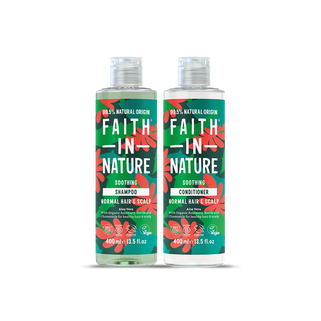
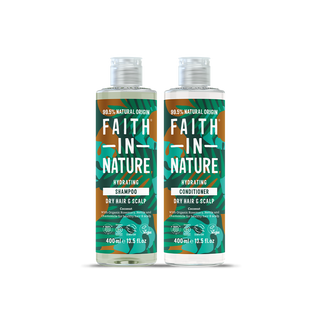
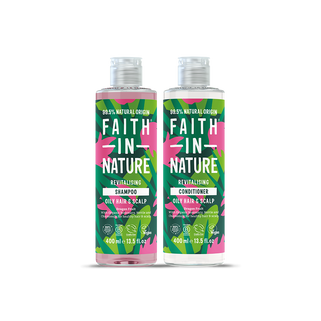
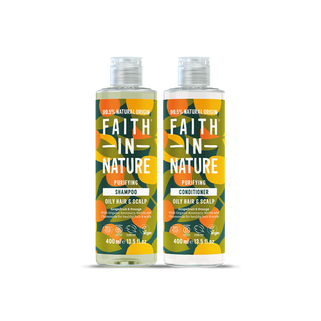
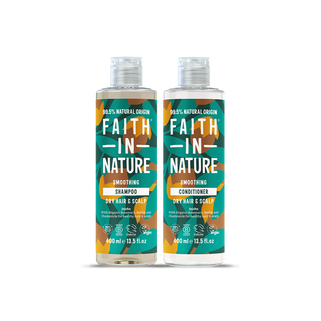
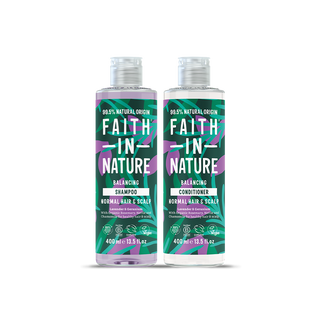
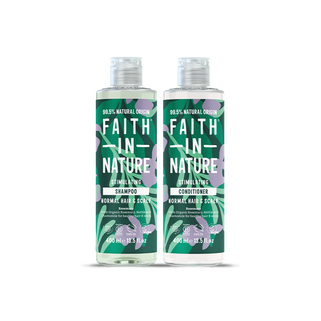
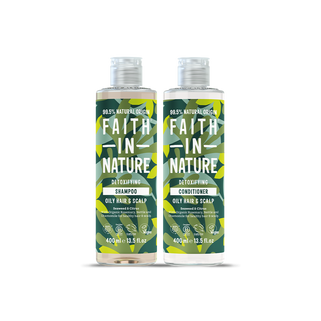
Although we don’t make a specific nettle shampoo, we include organic nettle extract in all our liquid shampoos, conditioners and hair masks. Along with organic rosemary oil and chamomile extract, it’s part of an expertly formulated trio of active naturals that form the foundation of our haircare formulas. All were carefully selected for their known benefits to hair and scalp – and it’s easy to see why nettle made the cut!
Why Do Nettles Sting?

"Stinging hairs on a nettle" by CarlH_ is licensed under CC BY-ND 2.0.
Nettles have evolved to sting to protect themselves from being trampled or eaten by animals. Their leaves and stalks are covered in tiny, hollow, hair-like tubes called trichomes. When you brush against a nettle, the delicate tips of the trichomes snap off, leaving a sharp point that breaks the skin and injects the mix of chemicals that causes the stinging sensation.
Thankfully, trichomes are removed from nettle leaves via drying, boiling and steaming. All that’s left behind is a natural ingredient, full of skin and hair-loving nutrients.
Nettles are often considered a weed and disliked because of their sting. But they’re a fascinating, resilient plant with many benefits – including the vital role they play in biodiversity. Read more about them in our blog: The Wonder of Weeds.
Enjoyed this? You might like…