Key Takeaways:
Calming chamomile is probably best-known as a relaxing bedtime tea, but it has been used in natural haircare remedies since ancient times. Here’s why this daisy-like plant can be a soothing tonic for scalp and strands (as well as a blissful bedtime brew).
What is Chamomile?

Chamomile is a flowering plant that’s related to the daisy. It’s famous for its small flowers that have a raised, bright yellow centre surrounded by white petals, and has delicate, fern-like leaves. It is a bee-friendly plant (our favourite kind!) and popular with lots of pollinators.
There are two types of chamomile: German and Roman. In summer, Roman chamomile can be found growing wild in grasslands and on coastal cliffs in the south of the UK. German chamomile is usually cultivated as a garden plant in the UK, but can sometimes be found in the wild.
Chamomile Benefits to Hair and Scalp
Chamomile has been used in herbal hair remedies for millennia, thanks to its known benefits to scalp and strands. It is known to help…
Soothe and Hydrate the Scalp
Chamomile is packed with anti-inflammatory compounds that are known to help soothe and calm stressed-out scalps. It also has excellent hydration properties (see below), which can be good news if your scalp is dry. Although chamomile is widely considered to be a gentle ingredient, if your scalp is sore or sensitive, you should always speak to a doctor before applying anything new to your hair or head.
Protect Scalp and Hair
Exposure to everyday stressors like sun, pollution and heat styling can all generate free radicals, which can weaken and damage hair and the delicate skin of the scalp. Chamomile is rich in potent antioxidants that neutralise free radicals (hooray!), meaning it may help protect your hair and scalp from whatever the world throws at it.
Promote a Healthy Scalp
Thanks to mild antimicrobial and antifungal properties, chamomile can help keep the scalp’s microbiome balanced. The scalp microbiome is a microscopic ecosystem of fungus and bacteria – it might sound a bit gross, but it’s completely natural. When the microbiome’s unbalanced, scalps can be more prone to irritation and flakes. When it’s thriving, it provides the optimum environment for strong, healthy hair to grow.
Does Chamomile Tea Lighten Hair?

Chamomile tea is believed by many to gradually and subtly add golden highlights to blonde hair without using bleach or harsh chemicals. There’s no scientific research on this, but chamomile does contain apigenin, a natural yellow pigment. It is thought that regularly rinsing blonde hair with cooled chamomile tea might gradually brighten it slightly over time.
Chamomile Shampoo

Whilst we don’t make a specific chamomile shampoo, organic chamomile is a key ingredient in our haircare collection. All our 99.5% natural origin liquid shampoo, conditioner and hair masks contain an expertly formulated blend of three organic naturals which were chosen because of their known benefits to hair and skin. They are: organic rosemary oil, organic nettle and of course, organic chamomile.
Chamomile Shampoo for Dogs

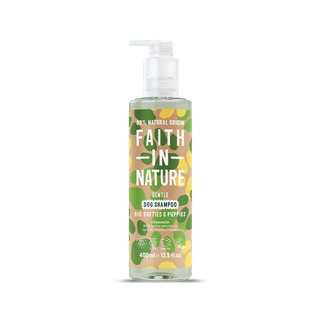
Wait, we do make a chamomile shampoo – just not for humans! Our Chamomile Dog Shampoo is specially formulated for puppies and dogs who like gentle bath times. It’s expertly formulated with organic chamomile extract, is pH-balanced for dogs’ skin and contains vitamin E to help encourage a healthy coat.
What Does Chamomile Smell Like?
The aroma of chamomile is often likened to fresh apples, with some saying it has a ‘smoky’ undertone. It is known to have a calming effect, and chamomile essential oil is used in aromatherapy for this reason.
In Elizabethan times, people loved chamomile’s soothing scent and soft texture so much that they planted entire lawns of it. Some even took the craze a step further and created chamomile benches and seats. There are still some chamomile lawns in the grounds of stately homes today and in recent years, they've started to make a comeback in gardens again. Walking barefoot on a chamomile lawn is said to be a wonderful sensory experience – and we love those!
Enjoyed this? You might like…
Find Nostalgia in Nature with Flower Folklore