Key Takeaways:
Although not an exact science, how often you wash your hair will depend largely on your natural hair type and general hair health. We’ve got some tips on how to avoid overwashing your hair and keep your follicles happy and healthy, just the way Nature intended.
What happens when you wash your hair every day?
When shampooing your hair, the product works to wash away excess sebum, dirt, dead skin, and product buildup, preventing dullness and scalp issues like dandruff. Basically, it keeps your scalp squeaky clean. However, the pH level of the shampoo you use can have a real impact on your scalp microbiome.
It’s best to use sulphate-free, low pH shampoo to effectively clean your scalp without stripping your strands of their natural oils, helping retain the natural moisture barrier of your strands. Overwashing, on the other hand, strips your hair of those natural, hydrating oils and prompts the sebaceous glands to produce excess oil to compensate, leading to a cycle of dryness and excess oiliness.
Switching to natural shampoo is good for your hair and the planet – fewer chemicals down the drain and on your scalp can only be positive. Natural shampoos are free of the chemicals that are often found in regular shampoo. For most people who use them, this means healthier, shinier hair. They’re free of things like parabens – a form of preservative that is known to cause sensitivity in some people – and silicones, which are thought to weigh down hair, make it dull and cause build-up on the scalp (fans of the Curly Girl Method in particular like to avoid silicones).
Should I wash my hair every day?
You don’t have to wash your hair every day. For most people with varying hair textures, two to four thorough washes a week (or every other day) should do, as this is when your hair looks its best. This will also help preserve the natural balance of your scalp and protect the naturally occurring oils that help prevent split ends and breakages. It’ll also help keep your strands healthy and nourished for longer.
Other lifestyle factors can affect how often you need to wash your hair, including your scalp's natural oil production rate. If you have an active lifestyle or play lots of sports, this can lead to excess sweating on the scalp, causing sebum and other debris buildup (especially if you have long hair), which can clog pores and stunt hair growth.
Oily hair
To combat excess oiliness and for optimal scalp health, those with particularly fine hair or oily hair should shampoo every other day, or every day, depending on the severity of the oiliness. If a daily wash is too much, you can gradually train your hair to need less shampooing throughout the week. Leaving longer between wash days will help improve your scalp condition in the long run and eventually lead to a less oily scalp.
Dry or curly hair
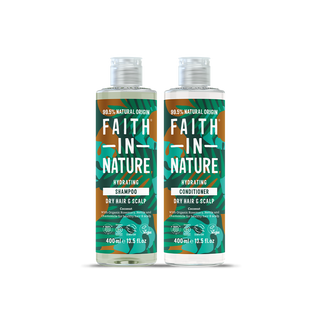
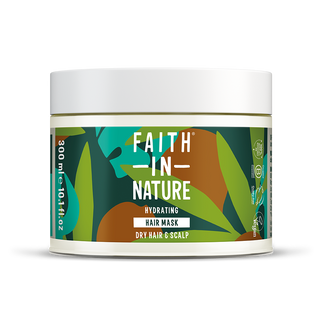
For curly hair, the focus is on washing less often – two to three times a week should do it. If your hair is feeling dry, try to avoid frequent washing to avoid damaged hair and instead, focus on a couple of thorough washes a week with a hydrating shampoo and conditioner. If you use heat styling or a lot of styling products, you may need an extra moisture boost throughout the week. Depending on your hair needs, a hydrating hair mask will help lock in that moisture for longer.
Normal or fine hair
For thin or fine hair, it’s common to wash it every day, but it’s a good idea to stick to every other day. This gives your scalp a chance to utilise the hydration boost and prevents it from becoming dry, leading to more brittle hair. For normal hair, a similar washing schedule is best. This’ll keep it fresh without stripping the essential oils.
Psoriasis, excess oiliness and damaged hair are all reasons why you might need to switch up how often you wash your hair, regardless of the type of hair you have. The type of shampoo you use also matters, with hydrating shampoos needed for oiliness, but a calm, gentle approach to haircare for certain skin conditions like psoriasis. Always consult a dermatologist if you experience a skin condition and would like to know more about what your haircare routine should include.
Signs you might be washing too often
Dryness, an itchy scalp, dandruff and frizzy strands are all common signs that you might be washing your hair too much and stripping it of essential oils and nutrients. Frequent shampooing can leave your scalp microbiome depleted of the natural oils that help to hydrate hair follicles and encourage healthy growth. This can also lead to excess dryness and itchiness. Dandruff is caused by rapid skin cell turnover on the scalp, often triggered by an overgrowth of naturally occurring fungus. Sensitivity and oily skin can also lead to problems with dandruff and have a less-than-ideal effect on your overall scalp condition.
How to wash your hair the right way
Depending on your hair needs, there are some things you can do at home to make sure you’re getting the most out of your washes, whether you have thin hair or colour-treated hair. But mostly, it’s down to personal preference.
Using warm water to wash your hair is a must – it’ll help open up the hair cuticle and your scalp pores and allow the shampoo or haircare product to deeply penetrate the follicles, giving a deep clean and removing excess sebum. A quick rinse with cold water will help close the cuticle and retain moisture and shine. If you’re using shampoo, you should really be using conditioner as well. Conditioner replaces the moisture and nourishment that shampooing often swipes away. This will help protect your hair against breakage and leave it feeling more nourished, shiny and healthier for longer.
You may have heard the terms "reverse washing" and "co-washing." For those with Natural hair, some suggest that these techniques help keep your hair hydrated for longer. Reverse washing involves washing your hair with conditioner first, then shampooing. Co-washing, as the name suggests, is using both shampoo and conditioner at the same time to (hopefully) achieve maximum hydrating effects. Some like to add scalp serums into their routine for an extra moisture boost.
Choosing the right shampoo and conditioner
Regardless of how often you wash your hair, choosing the right products is key to healthy, nourished hair. Ultimately, for a completely natural haircare routine, the ‘no poo’ method is best, which is when you allow the natural oils in your hair to gently cleanse the scalp when washed with water. But this method often leads to a period of greasiness. The next best thing is shampoo and conditioner with 100% natural origin aromas and 99.5% natural origin ingredients. Especially ones with 100% recycled and recyclable cardboard packaging (check out our shampoo bars here).
Top tip: only lather shampoo on your scalp and head area, not down your strands (that’s the conditioner's job).
If you find your hair feels dry and brittle after a wash, that’s a good indication that you need to be shampooing your hair less often. Ditching ingredients that are known to cause dry hair and switching to a natural haircare routine is good news for your scalp health (and the planet, too). Luckily, we’ve got just the thing. Our shampoos are made with 100% natural origin aroma and essential oils, and 99.5% natural origin ingredients. They’re also free from parabens, SLS and SLES. Plus, for an added moisture boost each week – in addition to conditioner – hair masks are a great choice. Your scalp will thank you for it.